
hanging vanity mirror with lights
Understanding Metal Check Valves Importance and Applications Check valves are essential components in fluid control systems, ensuring that flow occurs in one direction only. Among the various types of check valves available, metal check valves stand out for their durability, reliability, and wide range of applications across diverse industries. This article aims to provide a comprehensive overview of metal check valves, focusing on their construction, benefits, and common uses. What is a Metal Check Valve? A metal check valve is a mechanical device that allows fluid to flow through it in one direction while preventing backflow. Made primarily from metals such as stainless steel, brass, or carbon steel, these valves are designed to withstand high-pressure environments and challenging operating conditions. The most common types of metal check valves include swing check valves, lift check valves, and diaphragm check valves, each serving unique applications based on their structural design and functionality. Construction and Working Mechanism The construction of a metal check valve typically consists of a valve body, a disc (or closure element), a seat, and a spring (in the case of spring-loaded models). The valve body houses the internal components and connects to piping systems. The disc is the critical component that opens to allow fluid flow when the pressure is sufficient and closes to prevent backflow when the pressure drops. 1. Swing Check Valve This type utilizes a hinged disc that swings open under pressurized flow and closes under backpressure. They are popular in applications where flooding could occur, as they provide a quick response to prevent reverse flow. 2. Lift Check Valve This design features a disc that rises vertically off its seat to permit flow. Lift check valves are typically used in applications requiring high flow rates, such as steam service. 3. Diaphragm Check Valve This type uses a flexible diaphragm to open or close against a seat. It is particularly suited for applications involving slurries or corrosive fluids, as it minimizes the risk of clogging. Benefits of Metal Check Valves Metal check valves offer numerous advantages, making them a preferred choice in many industrial applications. Some of the primary benefits include - Durability Metal check valves are resistant to wear and corrosion, providing long-lasting service life even in harsh environments . metal check valve - High-Pressure Tolerance These valves can handle high-pressure applications, making them suitable for use in oil and gas industries, chemical processing, and power generation. - Reliability Their robust construction ensures that metal check valves maintain functionality and integrity over time, reducing the risk of leakage or failure. - Versatility Available in various sizes and materials, metal check valves can be customized for specific applications, making them versatile in managing different fluid types, including gases. Applications of Metal Check Valves Metal check valves are widely used across numerous sectors, highlighting their importance in modern engineering systems. Common applications include - Oil and Gas To prevent backflow in pipelines and systems transporting crude oil and natural gas. - Water and Wastewater Treatment Ensuring that flow in treatment facilities does not reverse, which could lead to contamination. - Chemical Processing Protecting equipment from back pressure in corrosive environments. - Power Generation Preventing backflow that could damage turbines and other critical components. Conclusion In summary, metal check valves are crucial devices in fluid management systems across various industries, characterized by their durability and reliability. Their ability to prevent backflow ensures system integrity and operational efficiency. As technology advances and industries evolve, the significance of metal check valves will continue to grow, highlighting the need for innovation in their design and application. Understanding their function and deployment can lead to better decision-making in the selection and maintenance of these essential components in fluid control systems.
about
hanging vanity mirror with lights
Replacing a Water Shut-Off Valve A Step-by-Step Guide Water shut-off valves are crucial components in any plumbing system, allowing homeowners to control the flow of water to various fixtures and appliances. Over time, these valves can wear out, become corroded, or simply malfunction, leading to leaks or an inability to shut off the water supply. When faced with such issues, replacing the water shut-off valve becomes a necessary task. This article provides a detailed guide to help you successfully replace a water shut-off valve in your home. Understanding the Importance of Shut-Off Valves Shut-off valves are typically found near toilets, sinks, and washing machines. They allow you to isolate these specific areas for repairs or maintenance without affecting the entire plumbing system. When a valve fails, it can lead to water damage, increased utility bills, and other inconveniences. Therefore, understanding how to replace a faulty valve is a valuable skill for any homeowner. Tools and Materials Needed Before you begin the replacement process, gather the following tools and materials - Pipe wrench or adjustable wrench - Screwdriver (flathead or Phillips, depending on the valve) - Replacement shut-off valve - Plumber’s tape (Teflon tape) - Bucket or towel (to catch any water) Step-by-Step Guide to Replacing a Shut-Off Valve Step 1 Turn Off the Main Water Supply Before you start working, locate your home’s main water shut-off valve and turn it off. This step is crucial to prevent any water from flowing while you replace the valve. Step 2 Drain the Pipes After shutting off the main supply, open a faucet at the lowest point in your home to relieve pressure and drain any remaining water from the pipes . This will help minimize water spillage when you remove the old valve. Step 3 Remove the Old Valve Using a pipe wrench, carefully loosen the nuts that hold the old valve in place. Start with the nuts connected to the supply pipe. Once loose, you can remove the valve by twisting it off. Be prepared for some residual water to spill; having a bucket or towel handy will help contain the mess. replacing water shut off valve Step 4 Prepare the New Valve Take your replacement shut-off valve and wrap the threads of the inlet pipe with plumber’s tape. This tape ensures a watertight seal when you attach the new valve. Be sure to wrap it in the direction of the threading to avoid unraveling when you screw on the valve. Step 5 Install the New Valve Align the new valve with the inlet pipe and hand-tighten it first to avoid cross-threading. Once it’s hand-tight, use the pipe wrench to secure it further, but be careful not to overtighten, as this can damage the valve or the pipe. Step 6 Connect the Outlet Side If your valve has a connection to a fixture (like a faucet or toilet), attach that connection now. Again, use plumber’s tape on the threads before tightening. Step 7 Check for Leaks After the new valve is in place, turn the main water supply back on. Slowly open the new shut-off valve and check for leaks around the connections. If you see any leaking water, you may need to tighten the connections a bit more or reapply plumber’s tape. Step 8 Test the Valve Finally, test the functionality of the new shut-off valve by turning it off and on a few times. Ensure it fully stops the water flow when closed. Conclusion Replacing a water shut-off valve is a straightforward DIY task that can save you money on plumbing repairs. By following these steps, you can ensure that your water system operates efficiently and that you have full control over your water supply when needed. Always remember to prioritize safety by turning off the main water supply before beginning any plumbing work. With the right tools and a bit of patience, you can successfully tackle this home improvement project on your own.
-

High quality industrial productsagement

High quality industrial products
View Details -

Meet the diverse needs of customers

Meet the diverse needs of customers
View Details -

Strict quality control

Strict quality control
View Details -

Top raw materials

Top raw materials
View Details -

Trusted supplier

Trusted supplier
View Details
Our application

news and information

where is the water valve in my house
Where Is the Water Valve in My House? Understanding where the water valve is located in your home is
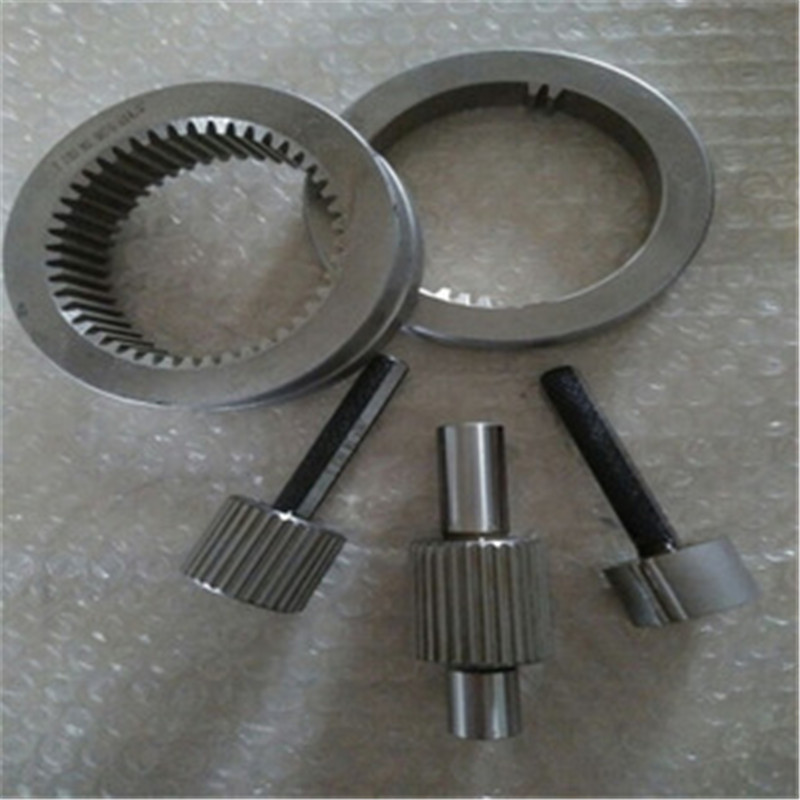
Wood Frame Truss Nail Plate Solutions _ Durable & Reliable Truss Connectors
Wood Frame Truss Nail Plate An Essential Component in Construction Wood frame trusses are a vital co
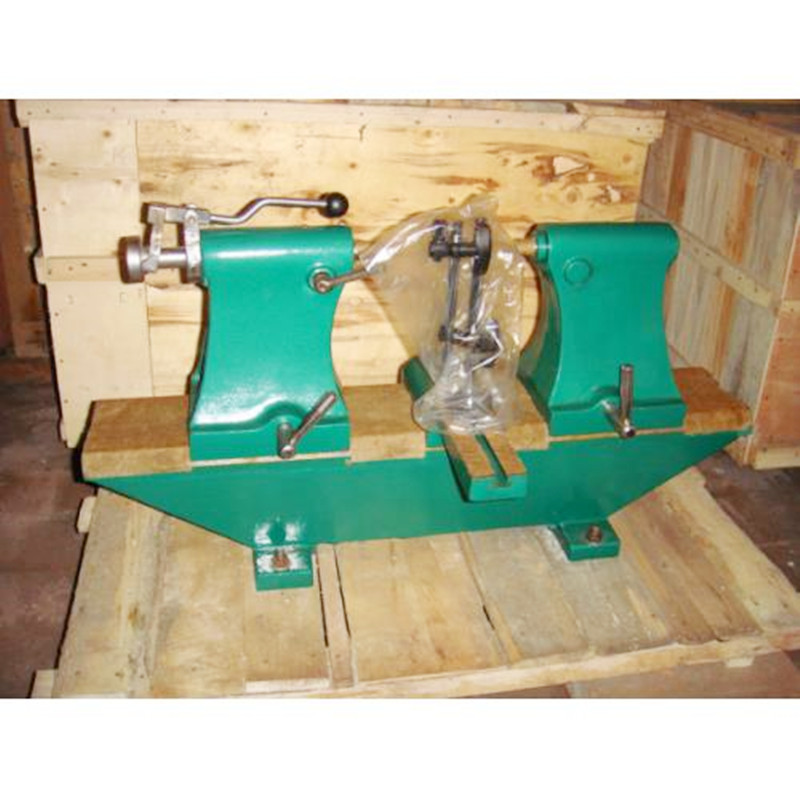
welding table manufacturer
The Importance of Choosing the Right Welding Table Manufacturer Welding is a critical process in var
 English